It is easy to travel from the UK to Morocco: there are direct flights from many British airports, the flight to Marrakech takes around three and a half hours, and the time difference is never more than one hour. This guide covers the practical steps – flights, entry rules, money and the first days – so you can plan your trip with confidence.
1. Choose your airport in Morocco
Most travellers who travel from the UK to Morocco land in Marrakech, the best base for the Atlas Mountains and the Sahara. Fes is ideal for the imperial cities and the northern desert route, Tangier for Chefchaouen and the north, and Agadir for beach holidays. Flying into one city and out of another saves a long drive back – our one-way tours, such as the 3 Day Tour from Marrakech to Fes, are designed for that.
2. Direct flights from the UK
Direct flights to Marrakech leave from London (Gatwick, Heathrow, Stansted and Luton) and from several regional airports such as Manchester, Bristol, Birmingham and Edinburgh. Fes, Tangier and Agadir also have direct routes from London and some regional airports, especially in spring, summer and autumn. Routes and timetables change by season, so compare airlines a few months before you travel.
3. Entry rules for British passport holders
British citizens can usually visit Morocco as tourists without a visa for up to 90 days. Your passport must be valid for the whole stay, and you will receive an entry stamp on arrival. Rules can change, so always check the UK government entry requirements for Morocco before booking.
4. Money and payments
The Moroccan currency is the dirham (MAD). You cannot buy many dirhams before you leave, so most travellers use cash machines at the airport or in the city. Cards are accepted in many hotels and larger shops, but souks, small restaurants and taxis prefer cash. Keep small notes and coins for tips, parking and tea along the road.
5. Phone and internet
Buy a local SIM or eSIM at the airport (Maroc Telecom, Orange or inwi) – data is cheap and coverage is good in towns and along the main roads, even on the way to the Sahara. WhatsApp is the easiest way to stay in touch with your driver and with us.
6. Getting around once you arrive
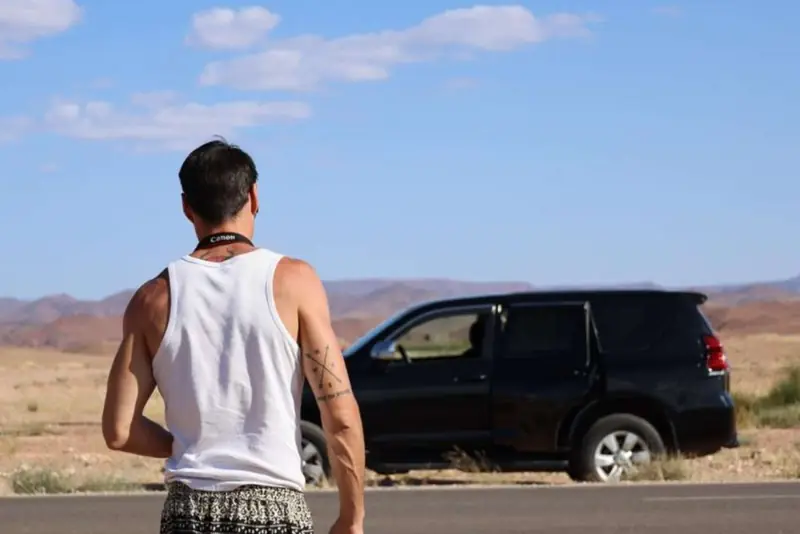
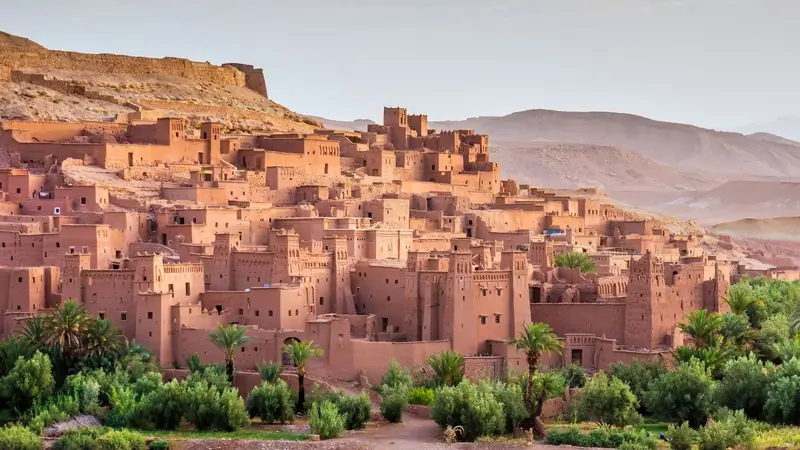
Trains link Tangier, Rabat, Casablanca, Fes and Marrakech, but the most beautiful places – the Atlas passes, the Dades and Todra gorges and the Merzouga dunes – are far from the railway. A private driver is the most comfortable way to see them: no luggage on buses, photo stops whenever you want and hotel pick-up every morning. See our private Morocco tours for ready-made routes.
7. A simple first itinerary
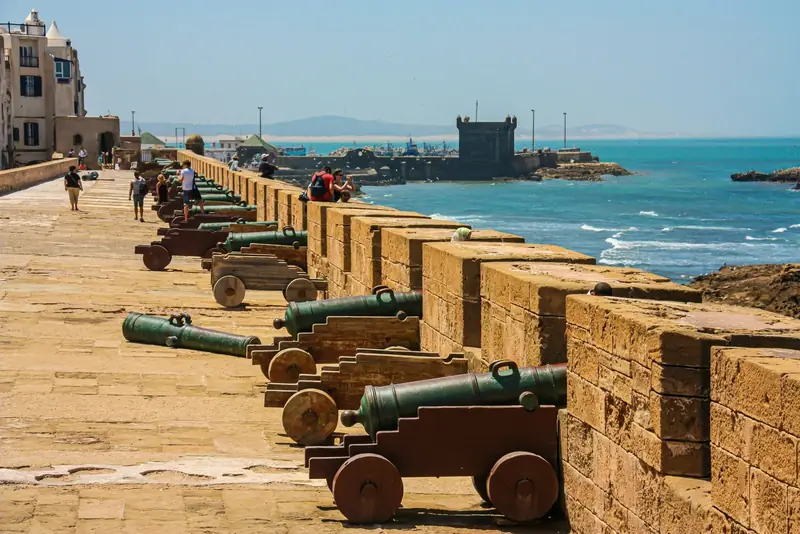
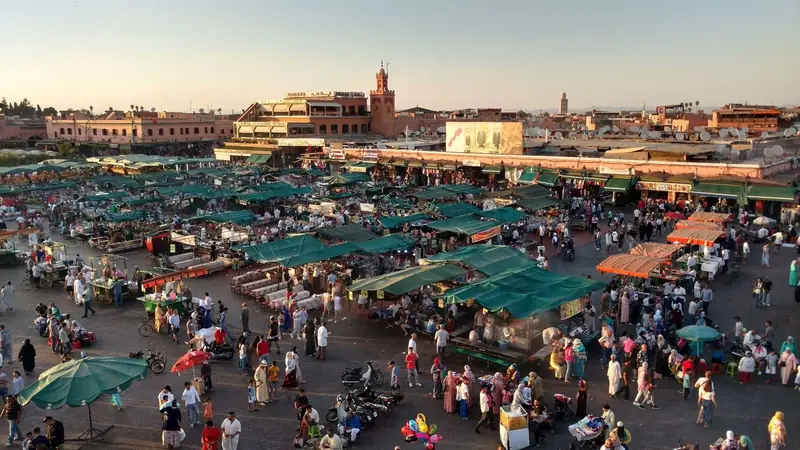
For a first week, spend two nights in Marrakech, then take a three-day desert tour to Merzouga and back (or on to Fes), and finish with a day on the coast in Essaouira. It is a great balance of city, mountains, desert and ocean, and it is the route most of our British travellers choose when they travel from the UK to Morocco for the first time.
Quick checklist before you fly
- Passport valid for your whole stay
- Travel insurance that covers activities such as camel rides and quad biking
- Some euros or pounds to change, plus a debit card for cash machines
- Light layers for the day and a warm jacket for desert nights
- Your driver’s WhatsApp number and your hotel address saved offline
Best time to travel from the UK to Morocco
Spring and autumn are the most popular seasons to travel from the UK to Morocco: the flight is short, the weather is warm without being hot and the Sahara nights are comfortable. Winter breaks are lovely in Marrakech and the south, with sunny days when Britain is grey, while summer suits the Atlantic coast and the mountains better than the desert.
Plan your private tour
Send us your dates – we reply with a route and a clear price within 24 hours.